
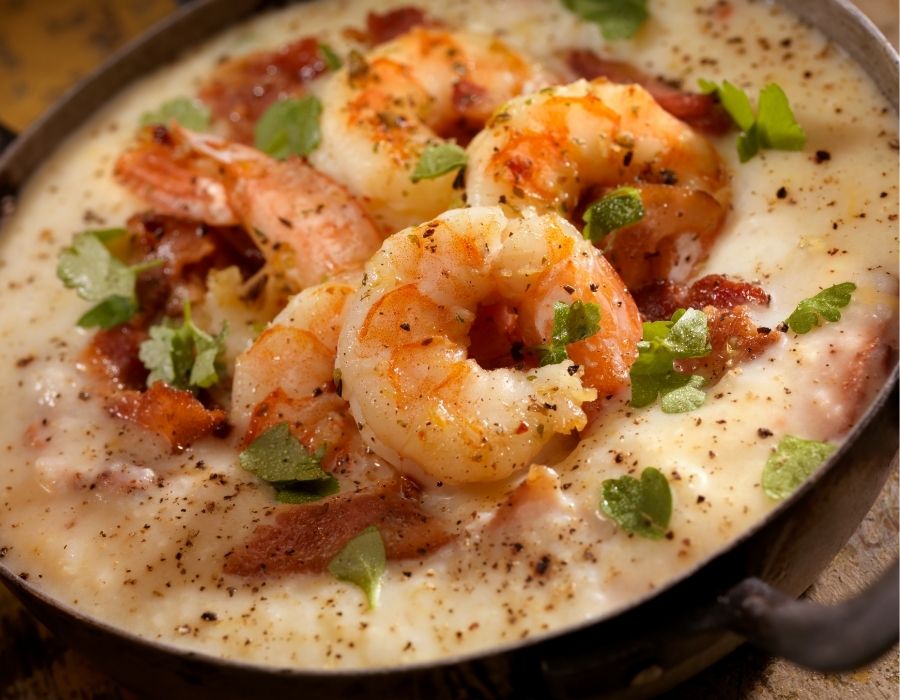
The Ultimate Lowcountry Foodie Tour: From Shrimp and Grits to Oyster Roasts
Immerse yourself in the tasteful charm of Lowcountry with the ultimate foodie tour. Savor the authentic richness of shrimp and grits, pay tribute to oyster roasts in prime season, and dive deep into the culinary heritage shaped by African, European, and Native American influences. Charleston’s vibrant food scene places a firm emphasis on fresh, local ingredients, shining particularly in venues like Pearlz Oyster Bar and Rodney Scott’s BBQ. Pace yourself, sample iconic dishes and prioritize farm-to-table establishments to fully appreciate this unique culinary journey. Stick around, there’s more on the menu, revealing how to best relish every bite and sip.
History of Lowcountry Cuisine
Unearth the rich history of Lowcountry cuisine, a culinary tradition deeply rooted in the cooking methods and ingredients of enslaved Africans. Over time, these traditions have evolved, integrating local seafood, produce, and the bountiful rice crop, introduced by these Africans, into iconic dishes like shrimp and grits.
The Lowcountry’s maritime heritage and agricultural practices are beautifully expressed in its cuisine. Signature dishes like she-crab soup are an illustration of the area’s commitment to sustainable seafood, ensuring you can savour these delicacies safely and guilt-free.
The Gullah-Geechee culture, born from the unique history of African descendants in the Lowcountry, has had an indelible influence on Southern cuisine. Their traditional recipes and cooking techniques continue to add depth and complexity to Lowcountry dishes, enhancing your gastronomic experience.
Seasonal Oyster Roasts
As the chill of winter descends on the Lowcountry, a beloved tradition takes center stage – seasonal oyster roasts. From November to March, you’ll find the freshest oysters, exhibiting the best quality and flavor. These months are considered prime oyster season in Charleston, where you can experience this cherished custom firsthand.
One of the notable events is the Lowcountry Oyster Festival at Boone Hall, recognized as the world’s largest oyster roast. Held each February, it draws thousands of attendees, all enthusiastic to savor the taste of fresh oysters. Monthly oyster roasts, like the Firefly Distillery Sunday Oyster Roasts and Oysters on the Point at Charleston Harbor Resort, offer more opportunities to indulge in steamed oysters, accompanied by live music and local beverages.
But it’s not all about taste and tradition. The Lowcountry takes pride in its commitment to sustainability. Conservation efforts and sustainable farming practices are encouraged to protect oyster habitats and guarantee the health of marine ecosystems. So, when you’re enjoying those seasonal oyster roasts, you’re also supporting a sustainable future.
Preparing Lowcountry Oysters
Ever wondered how to prepare Lowcountry oysters? It’s a simple process, steeped in tradition, that serves up a taste of the Charleston Harbor right in your home. Before you begin, be sure to discard any oysters that are broken or already open, as they can be a health hazard. Safety first, so make sure they’re safe for consumption by rinsing them in cold water to remove any barnacles or snails.
The most common methods of cooking these fresh seafood delicacies are steaming, grilling, or roasting. Whether you steam them for 5-10 minutes until they pop open, grill them for 5 minutes at 450°F, or enjoy an oyster roast by baking them for 10 minutes at 450°F, you’re in for a treat.
During the peak season from November to March, oysters are at their most flavorful and firm. Complement their natural briny flavor with a splash of hot sauce, a pat of butter, or seasoned saltines. So, roll up your sleeves and explore the delicious world of Lowcountry oysters. You won’t be disappointed!
Top Lowcountry Food Venues
Diving into the Lowcountry food scene, you’ll find a wealth of culinary treasures waiting to be explored. At the heart of Southern cuisine, Bowens Island Restaurant is a must-visit. Renowned for its casual atmosphere, Bowens Island serves iconic dishes like Lowcountry Boil, lovingly known as Frogmore Stew, and fresh oysters, which are bound to please any seafood lover.
A stone’s throw away is Pearlz Oyster Bar, a local favorite. With its vibrant raw bar and eclectic menu featuring both raw and roasted oysters, it’s a hotspot for tourists and locals alike.
High Cotton Charleston blends upscale dining with pure Southern charm. Here, you’ll savor locally sourced ingredients in dishes like their signature peach salad with brie. For BBQ enthusiasts, Rodney Scott’s BBQ is an absolute must. Renowned for its award-winning, smoked meats such as pulled pork and whole hog, it’s a masterclass in regional culinary traditions.
Don’t forget The Glass Onion, celebrated for its commitment to seasonal, local ingredients. Particularly known for its Shrimp and Grits, it’s the quintessential Lowcountry venue. Enjoy your culinary journey, knowing you’re in safe hands at these exceptional venues.
Tips for Charleston Food Tour
Starting on a Charleston food tour is an adventure of flavors, history, and local culture. The city’s culinary scene boasts good food, diverse options, and a strong emphasis on local ingredients. However, to make the most of your tour, here are a few tips:
- Pace Yourself: Try small portions at each stop. This allows you to relish a variety of dishes, including succulent oyster roasts, without feeling overly full too quickly.
- Historical Insight: Be sure to sample iconic dishes like Shrimp and Grits and Planters Punch. These aren’t just delicious – they offer a taste of Charleston’s rich culinary heritage.
- Local Ingredients: Prioritize establishments that practice farm-to-table. Freshness enhances the taste, and supporting local farmers is an added bonus.
Consider joining group tours for an enhanced experience. They often provide savings and include fascinating historical insights. Remember, the goal is to enjoy the journey, learn about the city’s food culture, and savor the diverse options available. So, take your time, enjoy the good food, and immerse yourself in the gastronomic adventure that is a Charleston food tour.
Noteworthy Charleston Food Stops
As a culinary explorer, your journey to Charleston wouldn’t be complete without a visit to some of its star eateries. Start your Lowcountry foodie tour at Amen Street Fish & Raw Bar. Here, you’ll find an impressive oyster menu with offerings raw, roasted, or fried, all served in a vibrant atmosphere accentuated by oyster shell chandeliers.
Next, head to High Cotton Charleston Restaurant. This upscale venue showcases local farm-fresh ingredients, their signature peach salad with brie being a delightful nod to the region’s rich peach heritage.
Don’t miss Bowens Island Restaurant, renowned for its homey atmosphere and iconic Frogmore stew—a hearty mix of shrimp, sausage, corn, and potatoes. For barbecue lovers, a stop at Rodney Scott’s BBQ is a must. This award-winning establishment specializes in smoked meats, capturing the area’s barbecue culture in a laid-back setting.
Lastly, swing by Glass Onion. Celebrated for its seasonal menu, this spot offers the renowned Shrimp and Grits dish, alongside unique options like pimento cheese sandwiches and fried green tomato po’ boys. Each location offers not just food, but a taste of Charleston’s rich culinary history.
The Role of Seafood in Charleston
Seafood isn’t just a menu item in Charleston—it’s a way of life. The city’s culinary identity revolves around the myriad of seafood it procures from its waters. From shrimp and grits to she-crab soup and fried oysters, every dish tells a tale of the region’s rich maritime heritage.
As you immerse yourself in the Lowcountry, here are three key things to remember:
- Oysters play a pivotal role in Charleston. They not only form a crucial part of the local cuisine but also act as natural water filters in marine ecosystems.
- The Lowcountry Oyster Festival, the world’s largest oyster roast, is a testimony to the importance of oysters in Charleston. This event promotes community bonding while emphasizing the need for sustainable harvesting.
- The seafood diversity, including shrimp, crabs, and various fish species, greatly contributes to Charleston’s economy and gastronomic scene.
An understanding of the role of seafood in Charleston enhances your appreciation of the Lowcountry’s culinary delights. Remember, it’s about more than just food; it’s about heritage, ecology, and community. Enjoy your seafood responsibly and savor the true flavor of Charleston.